
Essential Galician Phrases You Need To Know Before Traveling

Author
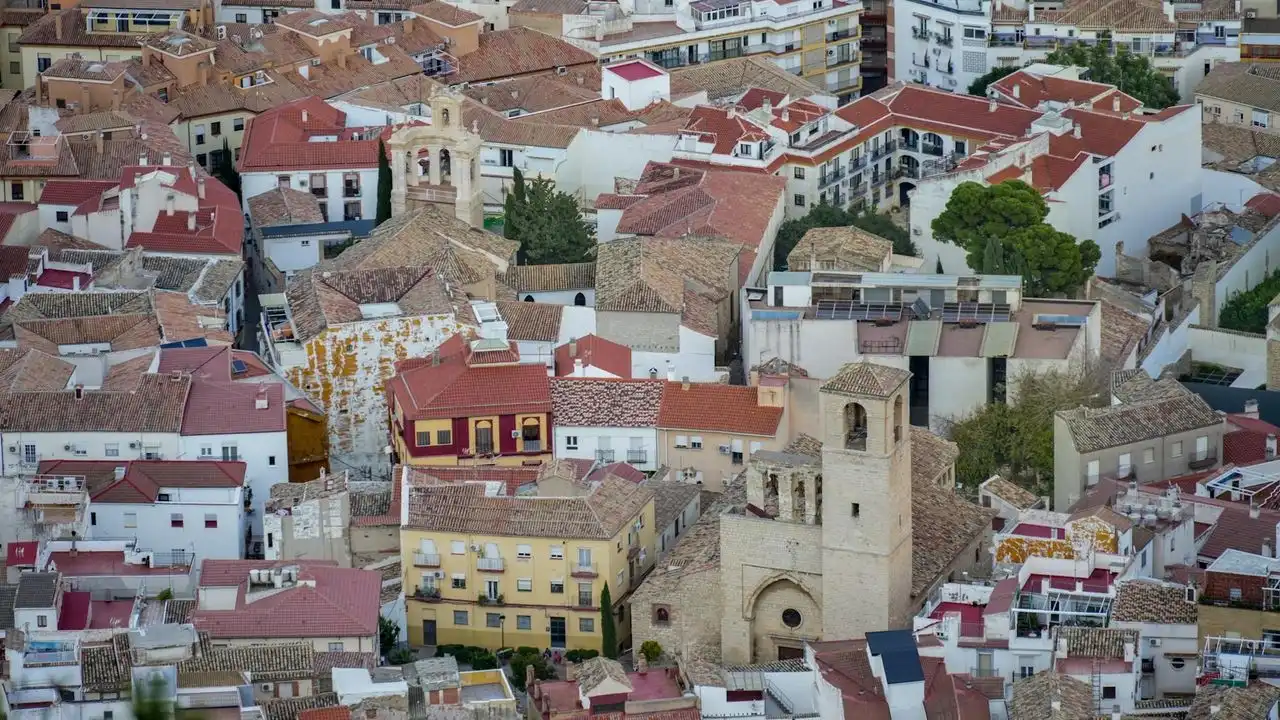
Traveling to Galicia is a deeply rewarding experience when you can speak the local language.
While most people in Galicia also speak Spanish, using Galician phrases will instantly earn you the respect and warmth of the locals.
Galician (or galego) is a beautiful Romance language closely related to Portuguese.
Learning just a few basic expressions makes ordering food, asking for directions, and meeting people much easier.
In this guide, I’ll share the most important Galician phrases you need for your trip.
If you want to practice these phrases and build your conversational skills, Talk In Galician is the best platform to help you start speaking right away.
Table of Contents:
Greetings and introductions
Starting a conversation with a friendly greeting is the best way to make a good impression.
Galicians are very welcoming people.
Using their native greetings shows that you genuinely care about their culture.
Here are the most common ways to say hello and goodbye.
| English | Galician |
|---|---|
| Hello | Ola |
| Good morning | Bos días |
| Good afternoon | Boas tardes |
| Good evening / Good night | Boas noites |
| Goodbye | Adeus |
| See you later | Ata logo |
You can also ask people how they’re doing.
Here’s a simple exchange you’ll hear everywhere.
Como estás?
Moi ben, grazas.
Polite expressions
Good manners go a long way anywhere you travel.
These are the essential polite words you should memorize before your trip.
| English | Galician |
|---|---|
| Please | Por favor |
| Thank you | Grazas |
| You’re welcome | De nada |
| Excuse me / I’m sorry | Perdón / Desculpe |
| Yes | Si |
| No | Non |
If you accidentally bump into someone on the street, simply say perdón.
If you need to get a waiter’s attention politely, use desculpe.
Ordering food and drinks
Galicia is world-famous for its incredible seafood and local wines.
You’ll likely spend a lot of time in local cafes, restaurants, and furanchos (traditional local wine houses).
Here’s how you can respectfully order your food and pay the bill.
Quería un café, por favor.
Unha cervexa, por favor.
A carta, por favor.
A conta, por favor.
Está moi bo.
Asking for directions
Getting a little bit lost is part of the fun of traveling.
However, you’ll eventually need to ask someone for help.
The phrase onde está means “where is” in English.
You can simply add the place you’re looking for to the end of this phrase.
Onde está o baño?
Onde está a estación de tren?
Onde está a praia?
Estou perdido (m) / Estou perdida (f).
Regional pronunciation differences
As you travel through Galicia, you might notice that the language sounds a bit different depending on where you’re located.
There are two main regional pronunciation variations you should know about.
The first variation is called gheada.
In many western and southern areas, locals pronounce the letter ‘g’ like an English ‘h’.
For example, the word gato (cat) might sound like “hato”.
The second variation is called seseo.
In some coastal towns, people pronounce the ‘c’ or ‘z’ sounds exactly like an ‘s’.
These variations are completely normal and widely accepted in everyday conversation.
You don’t need to change how you speak, but knowing this will definitely help you understand the locals better.