
Fun Galician Idioms And Interesting Expressions

Author
When you start to learn Galician, memorizing vocabulary and grammar rules is important.
But if you want to truly connect with people and sound like a native speaker, you need to learn Galician idioms.
In Galician, we call these frases feitas (literally: “made phrases”).
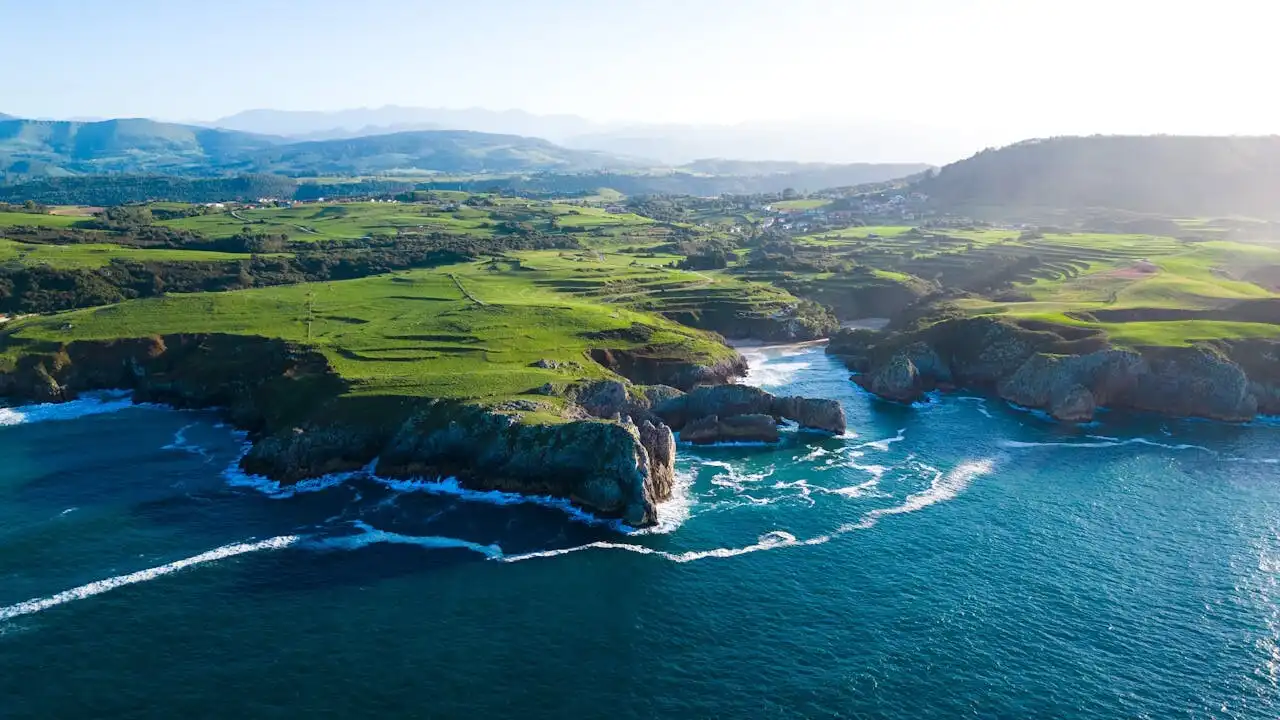
Because language and culture are tied together, our idioms tell you a lot about Galicia. Since we have a rich agricultural history and famous rainy weather, you’ll notice many of our expressions are related to nature, weather, and food.
Here’s a guide to the most essential Galician idioms and daily expressions you need to know.
Table of Contents:
Essential daily expressions
Let’s start with a few expressions you’ll hear almost every single day if you walk down the streets of Santiago de Compostela, Vigo, or A Coruña.
E logo?
If you only learn one expression from this list, make it e logo?
Literally, it translates to “and then?”. However, in daily conversation, it’s used to mean “why?”, “how come?”, or “what for?”. We use it when we’re curious or surprised by something someone just said.
Hoxe non vou á festa.
E logo?
Manda carallo
This is arguably the most famous Galician expression in existence.
The word carallo is technically a swear word, but in Galicia, it acts like a grammatical wildcard. It’s used as a general intensifier.
Manda carallo is an exclamation that means “wow”, “unbelievable”, or “that’s crazy.” You use it when you’re surprised, frustrated, or impressed.
Teño que traballar toda a fin de semana.
Manda carallo, que mala sorte.
Ser un toxo
A toxo is a gorse bush. This is a very common, spiky, and prickly plant found all over the Galician countryside.
If you say someone “is a toxo” (ser un toxo), it means they’re grumpy, unfriendly, or rough on the outside. It’s a very descriptive way to talk about someone’s personality!
Ana nin sequera dixo ola.
Non te preocupes, é un pouco toxo.
Weather and nature idioms
Galicia is famous for its lush green landscapes and its rain. Because of this, we have dozens of ways to talk about the weather, and many life lessons are hidden inside weather idioms.
Chover a caldeiros
In English, when it rains heavily, you say “it’s raining cats and dogs.” In Galician, we say chover a caldeiros.
A caldeiro is a bucket. So, this expression literally means “raining in buckets.”
Imos dar un paseo?
Non, chove a caldeiros fóra!
Nunca choveu que non escampara
This is a beautiful Galician proverb. Literally, it translates to: “It never rained that it didn’t clear up.”
We use this expression to comfort someone who’s going through a hard time. It means that bad times don’t last forever, and eventually, the sun will come out again. It’s the Galician equivalent of “this too shall pass.”
Estou moi triste polo meu exame.
Anímate, nunca choveu que non escampara.
Food-related expressions
Food is central to Galician culture. We love to eat, and we love to talk about eating. Here are two very common food-related phrases.
Estar no allo
Allo means garlic. If you “are in the garlic” (estar no allo), it means you’re in the loop.
You use this idiom to describe someone who knows a secret, understands what’s going on behind the scenes, or is involved in a specific situation.
Sabe el o da sorpresa?
Si, el está no allo.
Ser un pan de deus
Bread (pan) is a staple on every Galician table. A good loaf of bread is highly valued.
If you say someone is a “bread of God” (un pan de deus), it means they’re an incredibly good, kind, and sweet person. It’s one of the nicest compliments you can give someone in Galician.
A túa avoa é tan amable.
Si, é un pan de deus.
Regional pronunciation differences
When you practice these expressions, it’s important to know that Galician has regional variations. Depending on where you travel in Galicia, these idioms might sound a little bit different!
Here are the two main pronunciation variations to listen for:
Gheada: In many western and southern parts of Galicia, the hard “g” sound is pronounced like an English “h”. This is called gheada. So, if someone asks you E logo?, it might actually sound like E loho? to your ears.
Seseo: In coastal western areas, speakers use seseo. This means they pronounce the “c” (before e and i) and “z” like an “s”, rather than the “th” sound used in standard Galician and Castilian Spanish.
Don’t let these differences confuse you! Native speakers will understand you perfectly if you use standard Galician, but knowing about gheada and seseo will greatly improve your listening comprehension.
Summary of Galician expressions
Here’s a quick reference chart of the expressions we covered today:
| Galician Idiom | Literal Translation | Actual Meaning |
|---|---|---|
| E logo? | And then? | Why? / How come? |
| Manda carallo | Sends carallo | Wow / Unbelievable |
| Ser un toxo | To be a gorse bush | To be grumpy or prickly |
| Chover a caldeiros | To rain buckets | To rain very heavily |
| Nunca choveu que non escampara | It never rained that it didn’t clear up | Things will get better |
| Estar no allo | To be in the garlic | To be in the loop / know a secret |
| Ser un pan de deus | To be a bread of God | To be a very kind person |