
Gheada And Seseo In Spoken Galician Explained

Author
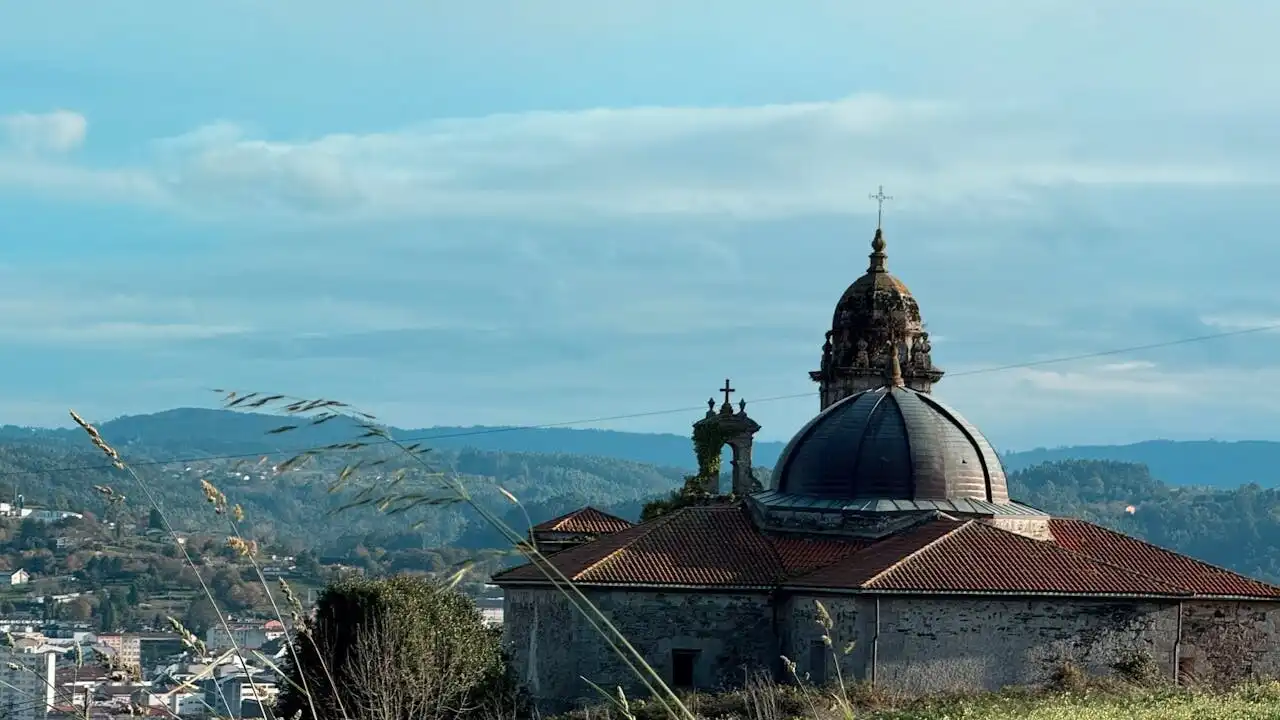
If you travel around Galicia, you’ll notice that the language sounds a little bit different depending on where you are.
A word might sound one way in the eastern mountains of Lugo, and completely different on the beaches of Pontevedra.
Understanding regional accents is a common priority for beginners when they start listening to native speakers.
The two most common sound changes you’ll hear in spoken Galician are called gheada and seseo.
If you want to understand real, spoken Galician, you need to know what these two words mean.
I’ll explain exactly what these sound changes are, where you’ll hear them, and how to spot them easily.
Table of Contents:
What are regional variations?
First, you need to know that standard Galician is what you learn in textbooks, on the news, and in formal writing.
However, just like English has American, British, and Australian accents, Galician has its own regional accents.
Two of the most common accent features are the gheada and the seseo.
These are not mistakes. They’re completely valid, natural ways of speaking Galician that have been part of our culture for centuries. In fact, many famous Galician writers and musicians use these pronunciations proudly!
Understanding gheada
The gheada is a very famous sound change in Galician where the hard “g” sound is pronounced like an English “h”.
In standard Galician, the letter “g” (before a, o, u) is pronounced hard, like in the English word “go” or “good”.
But if a person speaks with gheada, they’ll soften that sound in their throat. It sounds almost exactly like the “h” in “hello” or “house”.
Because it changes the sound, you’ll sometimes see people informally spell words with a “gh” on social media or in text messages to show their accent, even though the official spelling still uses a “g”.
Here’s a simple table to show how this changes the pronunciation of common words:
| Galician word | Standard pronunciation | Gheada pronunciation | English meaning |
|---|---|---|---|
| Gato | Ga-to | Ha-to | Cat |
| Auga | Ow-ga | Ow-ha | Water |
| Galiña | Ga-li-nya | Ha-li-nya | Hen |
| Gordo | Gor-do | Hor-do | Fat |
When you’re listening to a native speaker, this might sound a bit surprising! Here’s how it looks in a full sentence:
O gato bebe auga.
Teño unha galiña.
Understanding seseo
The second major variation is the seseo.
In standard Galician, the letter z, and the letter c (when it comes before an ‘e’ or ‘i’), are pronounced with a “th” sound. This is the exact same “th” sound you hear in the English word “think”.
However, someone who speaks with seseo pronounces those letters as an “s” sound instead.
If you’ve ever studied Latin American Spanish, you’re already familiar with this concept! Latin Americans use seseo, while people from central Spain use the “th” sound. In Galicia, both sounds exist depending on the region.
Here’s how seseo changes the pronunciation of some very common words:
| Galician word | Standard pronunciation | Seseo pronunciation | English meaning |
|---|---|---|---|
| Zapato | Tha-pa-to | Sa-pa-to | Shoe |
| Cen | Then | Sen | One hundred |
| Facer | Fa-ther | Fa-ser | To do / to make |
| Cedo | The-do | Se-do | Early |
Let’s look at a couple of sentences to see how seseo changes the way a phrase sounds when spoken out loud:
Teño cen zapatos.
Teño que facelo cedo.
Where will you hear them?
So, where exactly in Galicia do people speak like this?
As a general rule, both gheada and seseo are found in the western half of Galicia.
If you’re traveling along the coast-visiting places like A Coruña, Santiago de Compostela, Pontevedra, or the beautiful Rías Baixas-you’ll hear gheada everywhere.
The seseo is also very common in these western coastal areas, though its exact boundaries are a bit smaller than the gheada.
On the other hand, if you travel to the eastern provinces of Lugo and Ourense, the accent changes. People in the east generally speak with the standard hard “g” and the “th” sound.
Should you use them when you speak?
When you first start learning Galician, you might wonder: Should I learn to speak with gheada and seseo?
From a language acquisition standpoint, my advice is simple: Focus on understanding them, but speak standard Galician.
Because gheada and seseo are tied so strongly to local identity, it can sometimes sound a bit unnatural if a beginner tries to force the accent. Standard Galician is understood perfectly by 100% of the population, no matter where they’re from.
However, if you end up living in a coastal town like Muros or Sanxenxo, and you spend all your time talking to locals, you might naturally start picking up their gheada and seseo without even trying. That’s the beauty of language immersion!
If it happens naturally, embrace it. It means you’re truly assimilating into the local culture.
Until then, your main goal should simply be training your ears. The next time you hear someone talk about a “hato” or a “sapato”, you’ll know exactly what they mean!